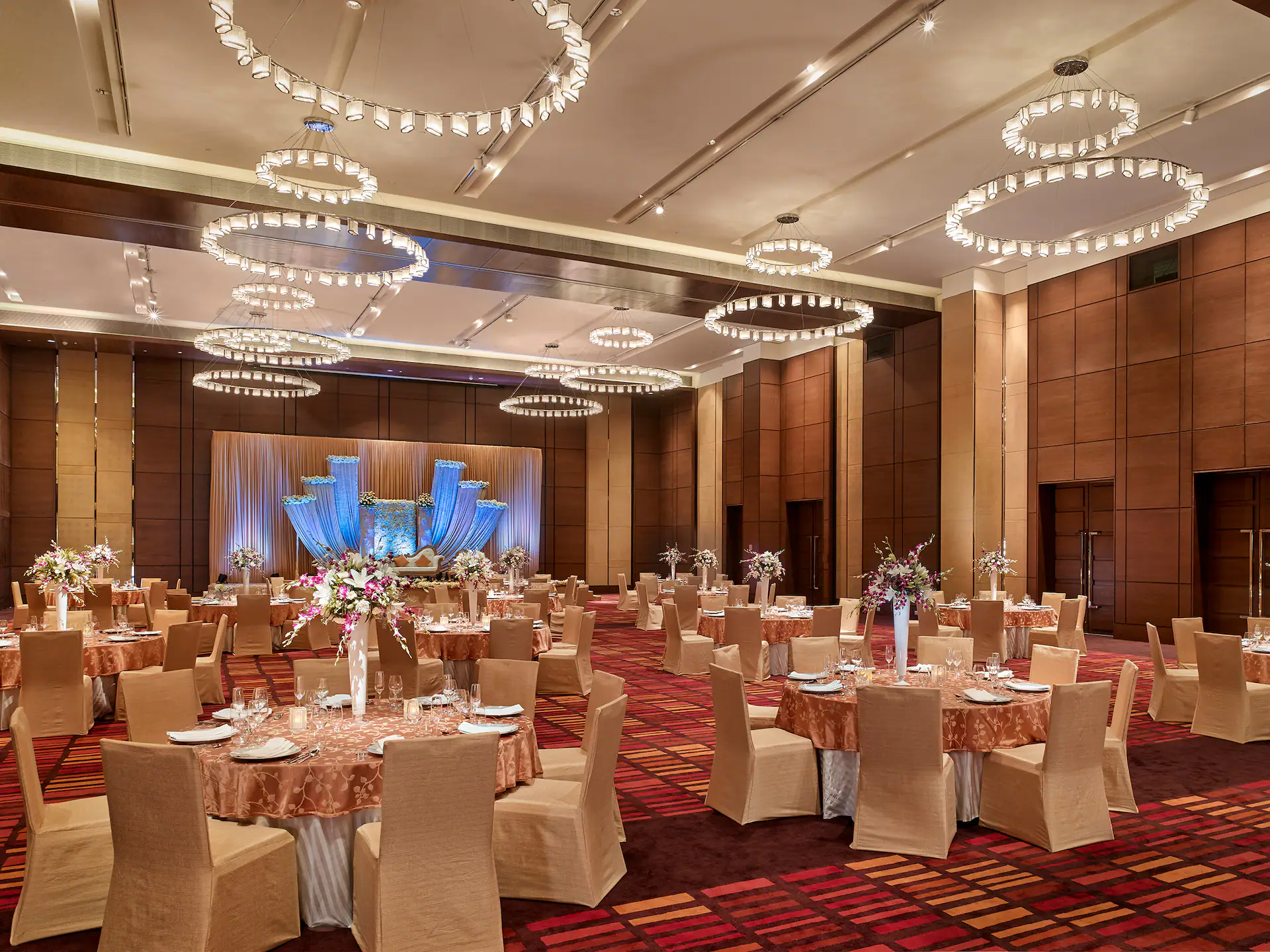

The call usually comes around 11pm, two nights before the mehendi. A flight out of Mumbai got delayed, six people who were supposed to land at 4pm are now landing at 1:40am, and the house they were assigned has two families already asleep in it. Nobody has done anything wrong. The plan just met the day.
If you're planning a wedding across homestays instead of a hotel block, this is the category of problem you're actually managing. Not the decor. The decor has a vendor and a deadline. Guest logistics has neither.
Here's how we've learned to run it across the Tricity, including the parts that don't work.
A hotel block gives you one address, one front desk, one bill, and a 24-hour reception that handles the 1:40am arrival without calling you. That is a real advantage and pretending otherwise wastes your time.
What homes give you instead: a family of eleven staying together instead of scattered across five floors, kitchens for the 6am tea nobody wants to order on room service, courtyards for the pre-function that would otherwise cost you a banquet hall, and per-head costs that land meaningfully below a comparable hotel block in Mohali or Zirakpur.
The trade is coordination. You take on the front desk. The rest of this is about doing that well.
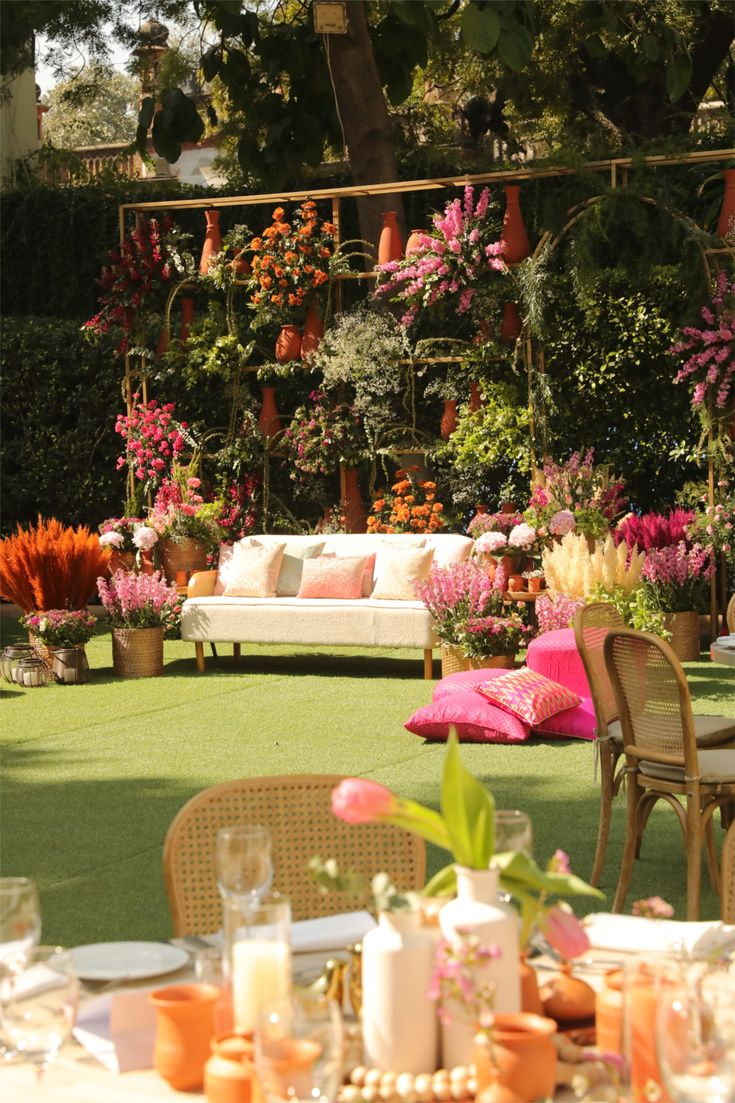
Almost every wedding party sorts into the same four groups, and they need different things.
Wave 1, T-minus 4 to 3 days. The core family and whoever is doing actual work. They need the house with the best kitchen and the most floor space, because this is where the sorting of clothes, gifts and jewellery is going to happen at midnight regardless of what you planned.
Wave 2, T-minus 2 days. Elderly relatives and families with small children. These people determine your whole allocation, and I'll come back to them.
Wave 3, T-minus 1 day to the morning of. Friends, cousins, the loud contingent. They arrive latest, sleep least, and will be the reason a neighbour complains at 2am.
Wave 4, nobody plans for this one. Vendors and staff. Your makeup artist and her assistant, the photography team of four, the choreographer, the pandit's helper. Between eight and fifteen people who need somewhere to sleep and who are almost never in the guest count you were given.
Not the couple. These three.
The grandparent who can't do stairs. One person with limited mobility eliminates every upper-floor bedroom in your inventory. Find out about them before you assign a single room, not after. Ground-floor bedrooms with attached bathrooms are the scarcest thing in this whole exercise — there are usually two or three across a booking, not ten.
The baby. A family with an infant needs the quietest house, the one furthest from wherever the dhol is going to happen, and they need it non-negotiably. They will also be awake at 4am. Put them somewhere that doesn't share a wall with Wave 3.
The cousin who will come home drunk at 3am. Not a moral problem, a routing problem. Group the late-night contingent in one house with its own entrance, and you have solved about half of your potential friction before it exists.
Do these three first and the remaining ninety allocations mostly solve themselves.
This is the single biggest mental shift from hotel thinking. In a hotel, check-in is a 3pm event at a desk. Across homes, arrivals spread over roughly a day and a half, at every hour, in unpredictable order.
What makes that manageable:
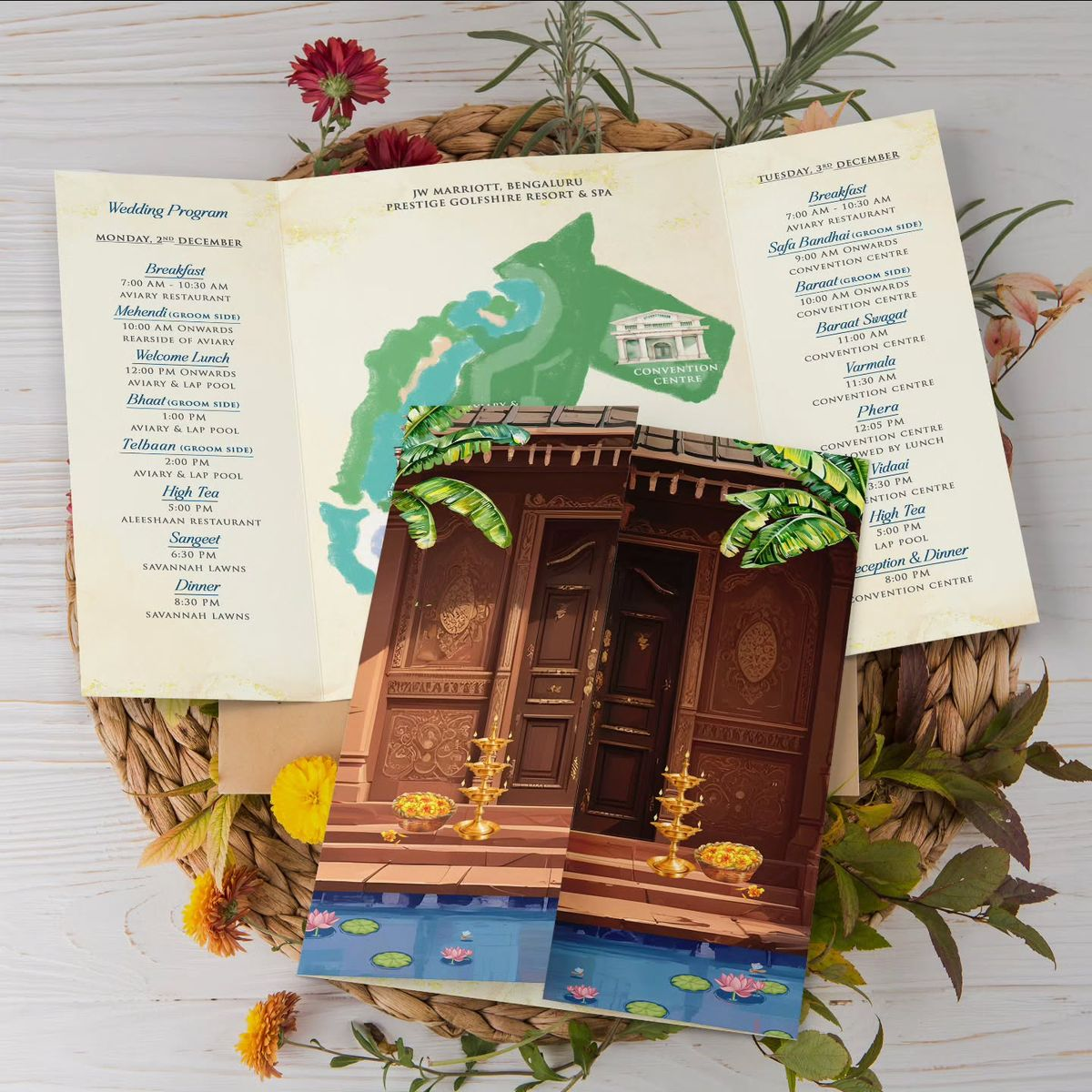
Everybody prepares for arrivals. Almost nobody prepares for the morning after the vidaai, and that's the day it usually goes wrong.
You have exhausted people, a pile of unclaimed luggage, gift boxes nobody has sorted, someone's blazer in the wrong house, and two families whose flights are eleven hours apart. Standard checkout is 11am. Half your party will want to sit somewhere until an 8pm flight.
Negotiate one late-checkout house up front, at the time of booking, and make it the house closest to the airport. In our case that means Zirakpur — roughly 20 minutes to Chandigarh airport, versus 35–40 from most of Mohali in evening traffic. One designated holding house turns a chaotic morning into a manageable one, and it costs far less than extending eight bookings.