Most people pass through the Tricity on the way to somewhere else — Shimla, Manali, a work trip that ends the moment the meetings do. That's a shame, because Chandigarh is not really a stopover city. It's closer to a museum you can walk through, live in, and eat your way across — one that happens to also have some of the calmest mornings in North India.
If you're staying with us for a few days, here's the version of the city we'd actually send a friend to see.
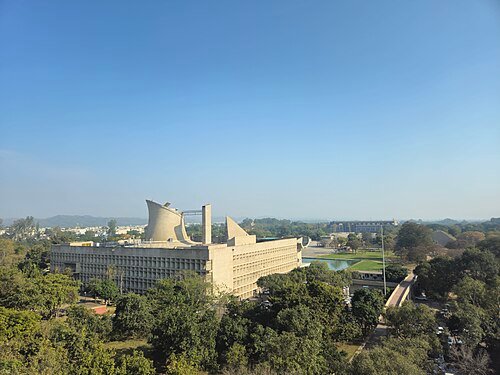
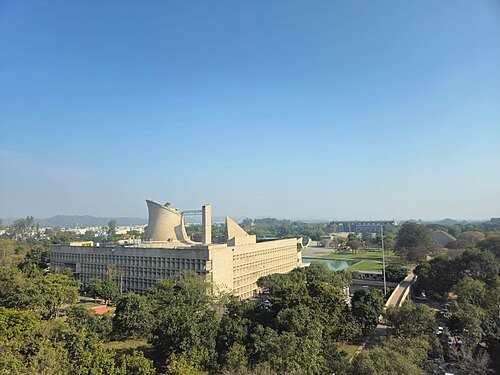
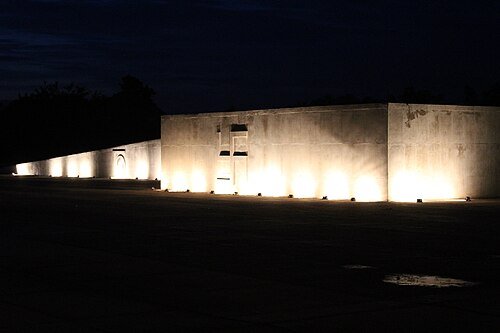
In the early 1950s, Chandigarh didn't exist as a city — it was farmland, chosen as the site for a brand-new capital after Partition split Punjab and left it without one. The Swiss-French architect Le Corbusier was brought in to design it from a blank map, and what he left behind is unlike anywhere else in India: wide sector grids, raw poured concrete, and a government complex that reads more like a sculpture park than an office district.
Here's the part almost nobody expects: while the government was busy building a monument to modernism, a road inspector named Nek Chand was quietly collecting the city's construction debris — broken bangles, tile shards, electrical fittings, discarded ceramic — and building something illegal in a forest on the edge of town.
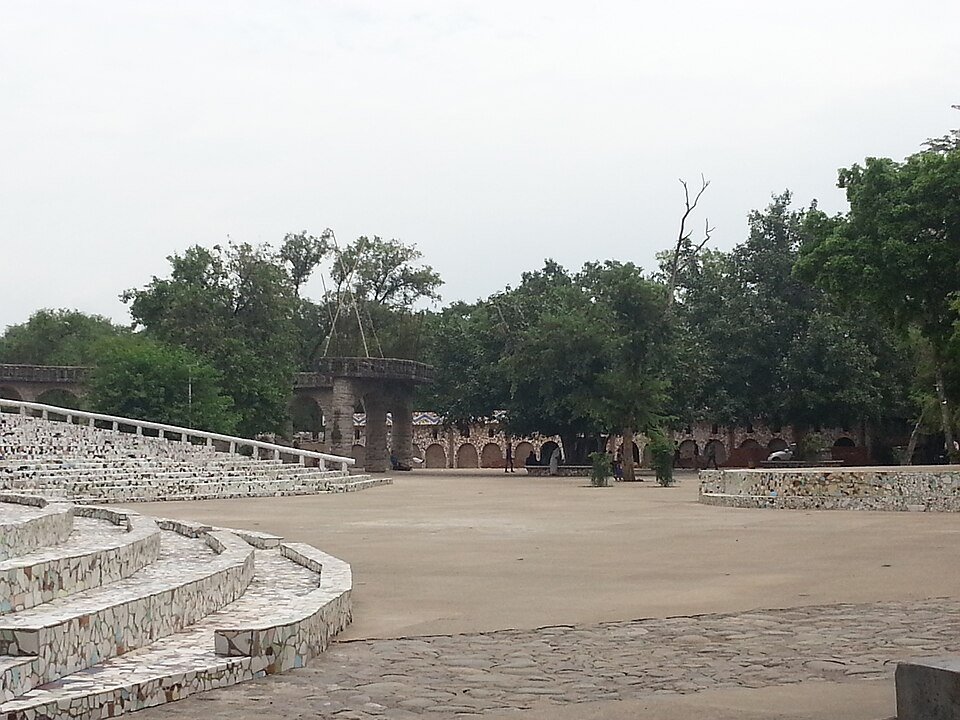
By the time the government found out in 1975, Nek Chand had secretly built a 12-acre kingdom of sculptures, courtyards and waterfalls entirely out of the city's waste. Rather than demolish it, they made him a paid director and let him keep going. It's now the Rock Garden — one of the most visited sites in India, built entirely without a single brick bought new.
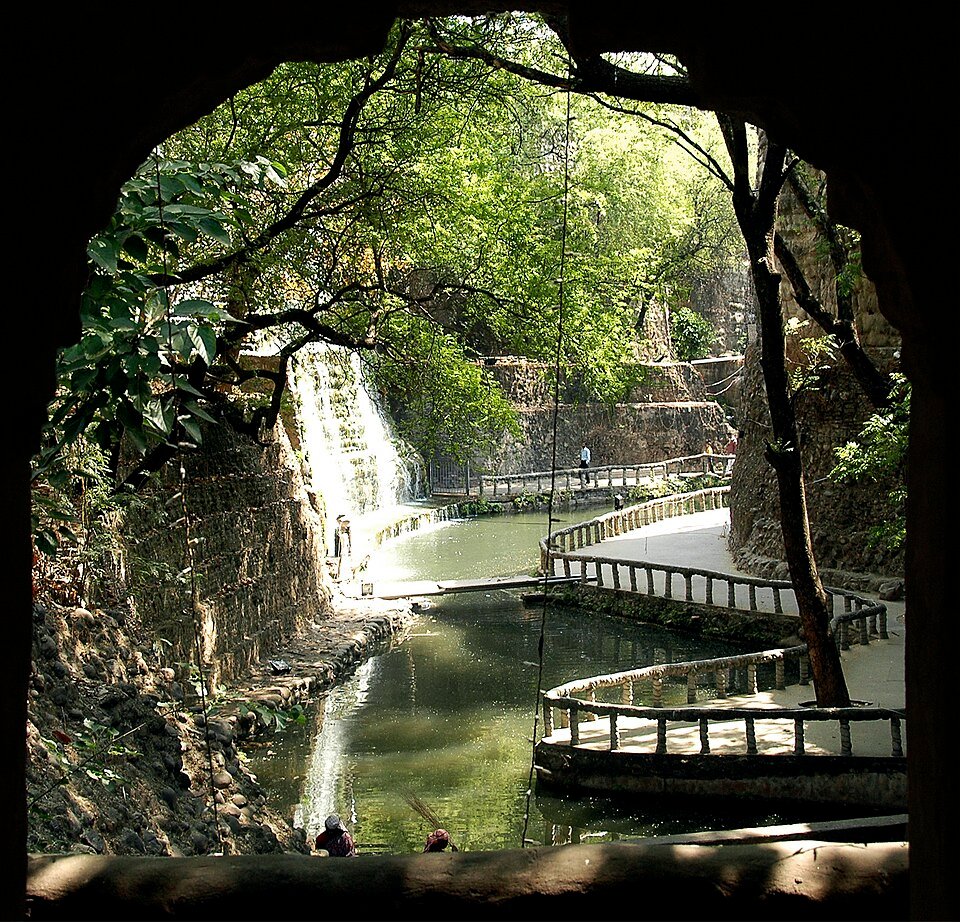
Two men built this city at the same time, from the same rubble, with completely opposite instructions — one with a government mandate and a ruler, the other alone and at night, breaking the rules. Somehow both are now on the same tourist map.
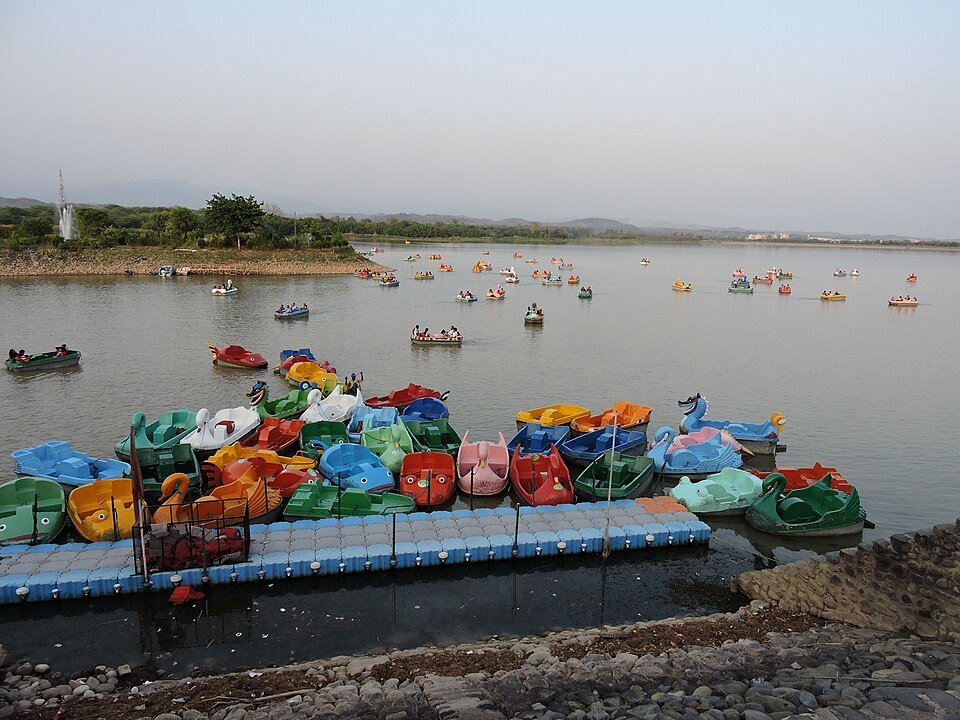
After the concrete and the chaos of bangle-shard sculptures, Sukhna Lake is where Chandigarh actually exhales. It's a man-made lake at the foot of the Shivalik hills, built in the 1950s by damming a seasonal stream — locals walk, row, and watch the sun go down over it most evenings, and it's an easy half-hour from most of our stays.
The Tricity's food culture runs on street corners and sector markets more than fine dining — proper roadside chaat, tandoori food that assumes you're hungry, and a strong Punjabi-Sindhi influence from the families who resettled here after Partition. Ask any local which sector market they'd take you to, and you'll get a different, fiercely defended answer every time. That's the fun of it — there's no single "best" place, just a city that argues about food the way other cities argue about football.
A hotel puts you in one neighborhood and expects you to commute to everything else. A homestay across Mohali or Zirakpur puts you close to all of it — the Capitol Complex, the Rock Garden, the lake — with a kitchen to come back to when you don't feel like another restaurant, and enough space that a full day of walking doesn't end with everyone crammed into one room comparing sore feet.
Come see the city that one architect designed on paper, and one road inspector rebuilt from what was left over.
Photos: Capitol Complex, Open Hand Monument, Rock Garden and Sukhna Lake images via Wikimedia Commons contributors, used under their Creative Commons licenses.