
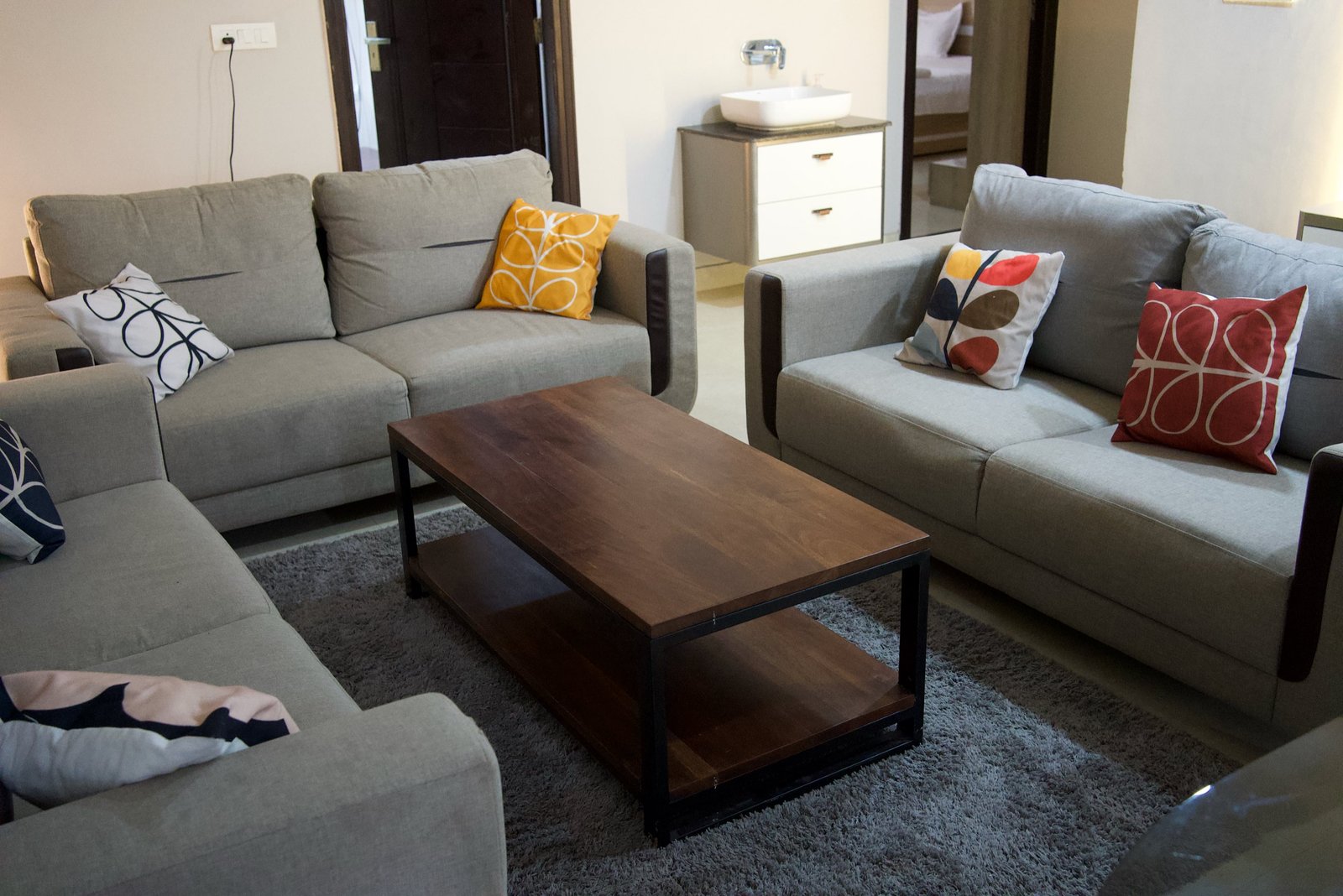
Book a hotel for a group of eight and you're really booking three or four separate rooms, scattered across different floors, with everyone meeting up in a lobby if they want to spend time together at all. A homestay flips that. One booking, one front door, and the whole group under a single roof — living room, dining table and all.
That difference shows up the moment you arrive. Instead of checking in at a desk and splitting up, everyone walks into the same space together. Kids get to run between rooms instead of being confined to one. Grandparents get a quiet corner without being cut off from the rest of the family. A work team can spread laptops across the living room table instead of hunching over a hotel bed.
Then there's the kitchen — the single biggest thing a hotel room simply doesn't have. A full kitchen means the difference between another restaurant bill and a home-cooked meal eaten together, at your own pace, on your own schedule. For a longer trip, that adds up to real savings. For a short one, it just means breakfast doesn't have to be rushed.
Cost is the other half of the story. A homestay is usually priced for the whole home, not per room and not per person. Once you compare a whole-home rate against booking three or four separate hotel rooms for the same group, the gap is hard to ignore — and you're getting a living room and a kitchen thrown in, not just a bed.
None of this works, though, if the place isn't actually looked after. That's the part a listing photo can't show you: is the property inspected between guests? Does someone answer when something needs fixing? Is there an actual person on the other end of a message, or a call centre reading from a script? At Amur Stays, every home is checked before each stay, and if you message us, you're messaging Aashish directly — not a rotating support queue.
A hotel room is a place to sleep. A homestay, done properly, is a place to actually stay — together, comfortably, and for less than you'd think.